
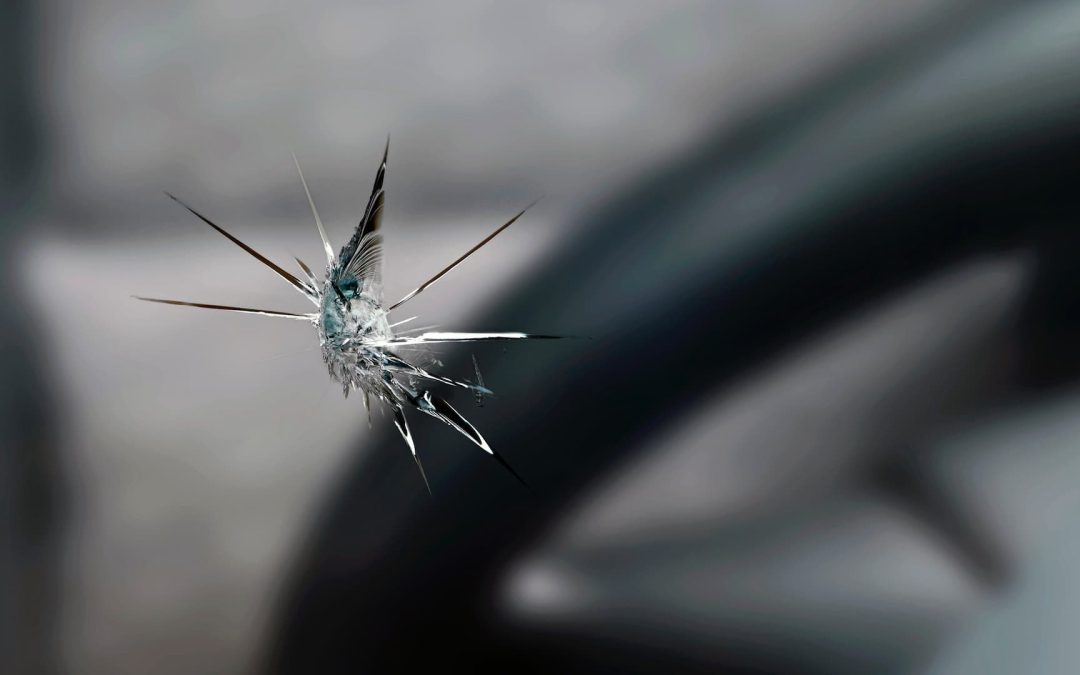
You’re driving down I-95 or Route 288 and hear that sharp crack of a rock hitting your windshield. It’s one of the most common ways Richmond drivers end up with glass damage, and what you do in the next few days can be the difference between a quick, inexpensive repair and a full windshield replacement.
Here’s what to do right away.
Don’t Wait, Even If It Looks Small
A small chip might not seem urgent, but Virginia’s temperature swings are rough on damaged glass. Heat from the sun, cold overnight air, and the natural flex of your car as you drive all put stress on that weak point. What starts as a chip the size of a pencil eraser can spread into a crack overnight, especially once the weather starts shifting into fall.
Statistically, 4 out of 5 damaged windshields can be repaired rather than replaced, but that window closes fast. The sooner you get it looked at, the better your odds of a simple, affordable fix.
Cover It (Carefully) if You Can’t Get in Right Away
If you can’t get to a shop the same day, keep the chip clean and dry. A small piece of clear tape over the damage can help keep out dirt and moisture until you’re able to have it repaired. Avoid using the defroster on high heat directly at the damage, and try not to slam doors or drive on rough roads any more than necessary in the meantime.
Know What Actually Qualifies for Repair
Not every chip can be saved with a resin repair. As a general rule, chips smaller than a quarter that haven’t spread and aren’t sitting directly in the driver’s line of sight are good candidates. Cracks longer than six inches, damage near the edge of the glass, or anything obstructing your view usually means the windshield needs to be replaced instead.
If you’re not sure which category yours falls into, that’s exactly what a quick inspection is for. Our technicians can tell you in a few minutes whether repair is realistic.
Check Your Insurance Before You Pay Out of Pocket
Many Virginia drivers don’t realize that comprehensive insurance often covers windshield chip repair at no cost, sometimes with the deductible waived entirely, because insurers would rather pay for a small repair now than a full replacement later. It’s worth a quick call to your provider before you assume this is coming out of your own pocket.
And remember, Virginia law gives you the right to choose your own repair shop. Insurance companies aren’t allowed to steer you toward a preferred vendor or use pressure tactics to keep you from going somewhere you trust.
What Happens During the Repair
A proper chip repair involves injecting clear resin into the damaged area, curing it with UV light, and polishing it smooth. The goal isn’t to make the chip invisible (though small chips often come close), it’s to restore the structural integrity of the glass and stop the damage from spreading any further.
The whole process typically takes less than 30 minutes, and you can usually drive away right after.
If Your Vehicle Has ADAS, There’s One More Thing to Ask About
If your car is newer and has a forward-facing camera mounted near the rearview mirror, that’s part of your Advanced Driver Assistance System (ADAS), the tech behind features like automatic emergency braking and lane-keep assist. A basic chip repair usually doesn’t require recalibration, but if the chip is in the camera’s field of view or the damage requires a full replacement down the line, recalibration will be necessary. Ace Glass includes ADAS recalibration on every replacement that requires it, at no additional charge.
Don’t Let a Small Problem Become a Big One
A rock chip is one of the easiest and cheapest glass problems to fix, if you catch it early. Waiting even a week or two can turn a 20-minute repair into a full replacement. If you’ve got a fresh chip, give us a call and we’ll get you in quickly.