
If you’ve had your windshield replaced in the past few years, you might have noticed something different: the process now includes an extra step called ADAS recalibration. This isn’t just a technical add-on that shops are upselling, it’s becoming a legal requirement in more and more states.
What’s Changing in 2026
Several states kicked off the new year with fresh legislation around auto glass replacement and ADAS recalibration. New York enacted one of the strictest laws in the country in December 2025, and lawmakers already introduced an amendment in early January to tighten the rules even further.
Under these new regulations, auto glass shops must notify customers if their vehicle has Advanced Driver Assistance Systems (those are the cameras and sensors that power features like automatic emergency braking and lane-keep assist). Shops also have to inform customers whether the systems need recalibration after glass replacement, whether the shop can perform that recalibration, and what happens if they can’t.
Vermont and Massachusetts are considering similar bills, with Vermont’s proposal including a provision that would eliminate deductibles for comprehensive auto glass claims. Illinois is looking at updates to assignment of rights rules and new requirements for repair shops.
Why ADAS Recalibration Matters
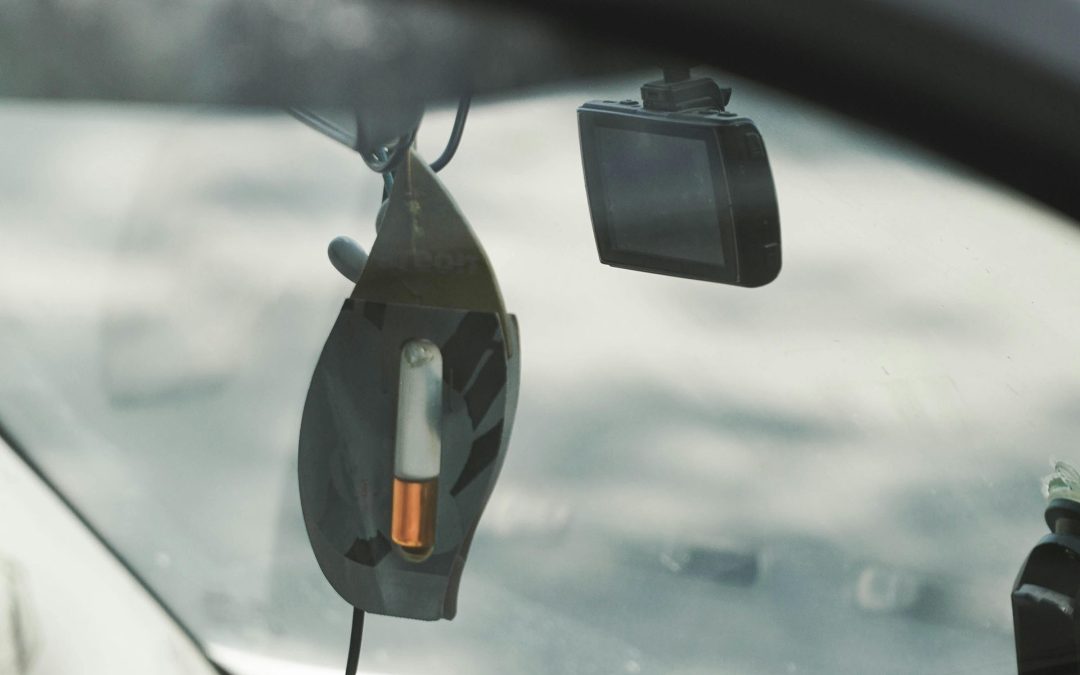
Modern windshields aren’t just pieces of glass anymore. They’re part of your vehicle’s safety system. Many newer cars have cameras mounted directly behind the windshield that feed information to systems designed to prevent accidents. When you replace the windshield, even a slight shift in the camera’s position can throw off these systems.
Without proper recalibration, you might see dashboard warnings, experience delayed safety alerts, or find that certain features don’t respond when they should. The systems might technically work, but they won’t work correctly, and that puts you and your passengers at risk.
What This Means for Glass Shops
The auto glass industry has had to adapt quickly. Mobile service (where a technician comes to your home or workplace) used to be the standard for windshield replacement. But ADAS recalibration requires specific conditions: level surfaces, controlled lighting, and specialized diagnostic equipment. This has pushed many shops to invest in brick-and-mortar facilities with dedicated calibration bays.
The new laws also put additional documentation requirements on shops. They have to notify both customers and insurance companies if recalibration attempts fail or if the shop isn’t equipped to perform the calibration at all. Some proposed legislation even prohibits shops from charging for failed recalibration attempts.
Impact on Costs and Timing
These changes have definitely affected pricing. According to industry data, windshield replacement costs have increased significantly, partly due to the need for recalibration equipment and training. Many replacements now exceed common insurance deductibles of $500 or $1,000, which means more families are filing insurance claims instead of paying out of pocket.
Timing has changed too. What used to be a quick mobile repair now often requires scheduling at a shop location, and the safe drive-away time can be 30 to 60 minutes or more after installation to ensure proper adhesive curing and system calibration.
Looking Ahead
While Virginia hasn’t enacted similar legislation yet, the trend is clear. As vehicles continue adding more camera-based safety features, proper recalibration is moving from a best practice to a legal requirement. Industry experts expect more states to follow New York’s lead with stricter standards and certification requirements.
For drivers, the key takeaway is simple: if your car has safety features like automatic braking or lane departure warnings, make sure whoever replaces your windshield knows how to properly recalibrate those systems. It’s not just about getting clear glass, it’s about making sure all your vehicle’s safety systems work the way the manufacturer intended.
The auto glass industry is adapting to meet these new standards, and that’s ultimately good news for everyone on the road. A little extra time and cost upfront is worth it when it comes to keeping you and your family safe.