
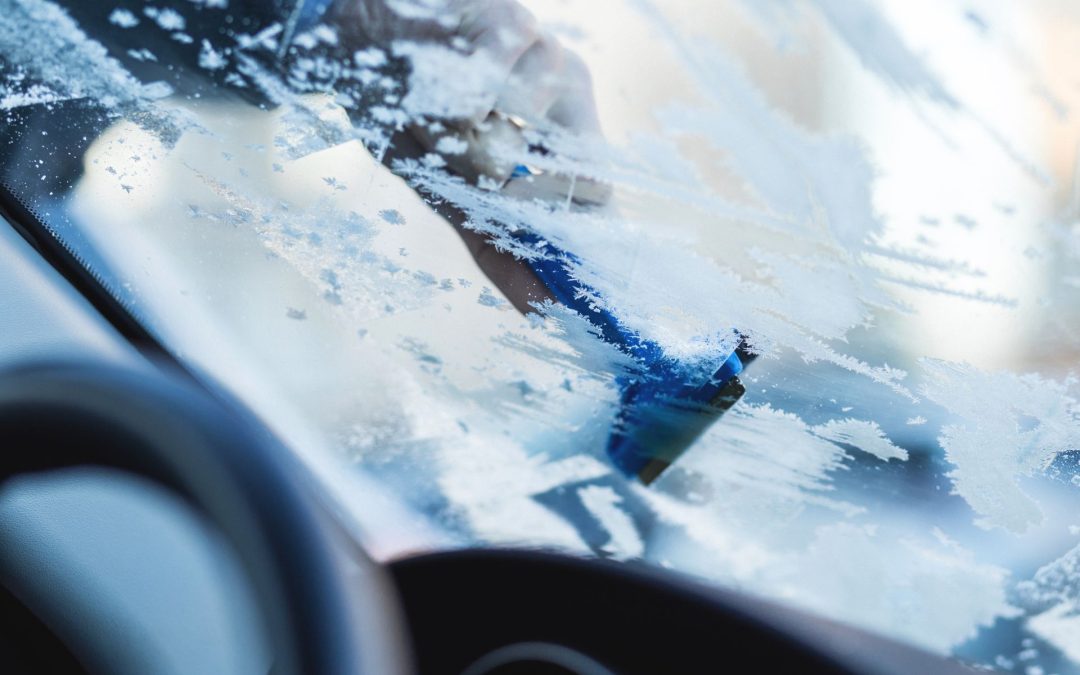
Central Virginia winters rarely get extreme, but they are hard to predict. Last January, the Richmond area got an ice storm that National Weather Service forecasters called historic, a widespread freezing rain event that the region hadn’t seen since 1998. Most winters are milder, but the swings between freezing nights and warmer afternoons are exactly what puts stress on your car’s glass. A little preparation now, before the first freeze, can save you a rushed repair bill later.
Start With Chips and Cracks
If there’s one thing to take care of before winter, it’s existing damage. A chip or short crack that has been sitting quietly all summer can spread quickly once temperatures start dropping. Glass expands and contracts as it heats and cools, and a damaged spot is the weakest point in the windshield. Add the vibration of daily driving, a blast of cold air from the defroster, and a freezing overnight low, and a small chip can turn into a long crack by morning.
Repairing a chip typically takes under 30 minutes and costs a fraction of a replacement. Waiting until the weather turns often means paying for the bigger job. If you’ve been putting off that little star in the corner of your windshield, now is the time.
Don’t Use Hot Water on Frozen Glass
It’s tempting on a cold morning when you’re running late, but pouring hot water on an iced-over windshield is one of the fastest ways to crack it. The sudden temperature change puts uneven stress on the glass, and a windshield with even a minor existing chip is especially vulnerable.
A better routine:
Start the car and run the defroster on a low or moderate setting first, letting the glass warm gradually. Turning the heat to maximum right away creates the same kind of temperature shock you’re trying to avoid.
Use a plastic ice scraper, never a metal tool, which can scratch the surface. Scratches are more than a cosmetic problem, since they catch light and cause glare while driving, especially at night.
Skip the wipers until the ice has loosened. Running them across a frozen windshield can tear the rubber and damage the blades.
Check Your Wipers and Washer Fluid
Wipers wear out gradually, and most people don’t notice until the first sleet storm exposes streaking and skipping. Winter conditions make worn blades more of a safety issue, because road spray, salt residue, and slush all demand more from them. If your wipers leave streaks or chatter across the glass, replace them before the season starts. Many drivers also swap to winter-rated blades, which have a protective cover that helps keep ice from packing into the joints.
Washer fluid matters too. Standard blue fluid is fine in summer, but a fluid rated for freezing temperatures keeps your system from icing up and keeps your view clear when the road is wet and filthy. Top it off before you need it, because you’ll go through more fluid in winter than any other time of year.
Keep the Inside Clear Too
Interior fogging is a winter annoyance that can turn into a real hazard. A film of dirt and oils on the inside of the glass gives moisture something to cling to, so a thorough interior cleaning before cold weather helps the defroster do its job faster. If you find yourself wiping the inside of your windshield constantly, a good glass cleaner (not a household product with ammonia, which can be rough on tinting and interior surfaces) usually makes a noticeable difference.
Mind the Camera Behind Your Mirror
If your vehicle has ADAS features like automatic emergency braking or lane-keep assist, there’s likely a camera mounted behind the windshield near the rearview mirror. Ice, snow, or heavy fog in that area can interfere with how those systems read the road, and some vehicles will display a warning or disable the feature until the glass is clear. Make sure that part of the windshield is fully cleared before you drive, not just the area directly in front of the driver.
It’s also worth knowing that if your windshield is ever replaced, those cameras typically need to be recalibrated afterward. We cover what to watch for in our post on our auto glass services, and it’s a question worth asking any shop before you commit.
If You Need a Replacement in Cold Weather
Winter installs are completely doable, but temperature does affect how the adhesive cures, which can change how long you need to wait before the vehicle is safe to drive. Your installer should tell you the specific safe drive-away time for the adhesive they use and the conditions on the day of the job. If anyone tells you it doesn’t matter, ask again.
Ace Glass offers mobile service, so we can come to you, but on the coldest days it sometimes makes more sense to schedule a shop visit where conditions are controlled. We’ll tell you honestly which makes more sense for your situation. And if your replacement is going through insurance, Virginia law gives you the right to choose your own repair shop, no matter what your insurer suggests.
Build a Simple Pre-Winter Checklist
Before the first freeze, take ten minutes to walk around your vehicle and run through the basics:
Look over the windshield and side glass for chips, cracks, or scratches that need attention.
Replace worn wiper blades and fill the washer reservoir with winter-rated fluid.
Clean the inside of the windshield, including the area around the rearview mirror.
Keep a plastic scraper and a small brush in the car, and make sure your defroster blows warm air at all the vents.
Check your National Weather Service Wakefield forecasts when freezing rain or sleet is on the way, and park somewhere sheltered if you can.
A few minutes of preparation goes a long way toward avoiding a cracked windshield on a freezing morning, and the best time to handle it is before the weather forces the issue. If you spot damage or have questions about what your glass needs before winter, give us a call. We’re happy to take a look and tell you what makes sense, whether that’s a quick repair or simply peace of mind.